A parent can do everything right for years – keep up with therapies, school meetings, medical paperwork, and daily care – and still make one financial move that puts benefits at risk. That is why medicaid planning for disabled child matters so much. It is not just about qualifying for help today. It is about protecting your child’s access to care, services, and long-term stability without creating problems through a well-meaning gift, inheritance, or account setup.
For many families, Medicaid sits quietly in the background until a crisis brings it into focus. A new diagnosis, a denial, a hospital stay, or a conversation about the future can suddenly make the stakes feel very real. If your child may depend on Medicaid now or later, planning early gives you more options and fewer painful surprises.
What Medicaid planning for a disabled child really means
Medicaid planning for a disabled child is the process of organizing assets, income, legal documents, and long-term financial decisions so your child can preserve eligibility for public benefits while still being supported by family resources. That sounds technical, but the underlying goal is simple: you want your child to have both protection and flexibility.
The confusion often starts because parents hear conflicting advice. One person says to save aggressively in the child’s name. Another says never put anything in the child’s name. Someone else mentions a trust, but not what kind. These half-answers can lead to expensive mistakes because Medicaid rules intersect with SSI, family estate planning, insurance, and future caregiving.
In many cases, the issue is not whether your family has resources. It is whether those resources are structured the right way. A modest inheritance, a settlement, or even a savings account can affect means-tested benefits if it is handled incorrectly. Good planning does not ask families to choose between helping their child and protecting benefits. It helps them do both, carefully.
Why families get into trouble without realizing it
Most Medicaid problems do not begin with recklessness. They begin with love. Grandparents want to leave something behind. Parents open an account for convenience. A relative names the child directly as a beneficiary on life insurance. None of this feels risky when it happens.
The problem is that Medicaid and SSI eligibility can depend on how assets are titled, when funds are received, and who controls them. Money left directly to a disabled child may count as that child’s resource. If resources go over program limits, benefits may be reduced or lost until the situation is corrected. Sometimes the fix is possible. Sometimes it is messy, expensive, and stressful.
There is also a timing issue. Planning is usually easier before money moves than after. Once an inheritance has already been distributed or an account has already built up in the wrong name, families may be forced into reactive cleanup instead of thoughtful planning.
The biggest planning areas to get right
The first area is ownership. Parents are often told to save for the future, which is generally wise. But where those funds sit matters. Assets held outright in a disabled child’s name can create problems if that child needs means-tested benefits. In contrast, assets owned by parents, held in certain trust structures, or coordinated through other planning tools may preserve more flexibility.
The second area is estate planning. This is one of the most common weak spots. A family may have a will, but if the will leaves assets directly to the child, or if retirement accounts and life insurance name the child directly as beneficiary, the broader plan can fail. Medicaid planning for disabled child must include beneficiary designations, not just the documents sitting in a lawyer’s folder.
The third area is care funding. Parents often think only in terms of getting through the next year, but Medicaid planning works best when it is tied to a longer view. What will housing look like? Who will advocate for care? What extra expenses will not be covered by benefits? How will money be managed when you are no longer the person overseeing everything? Those questions are hard, but avoiding them does not make them less urgent.
Trusts are important, but they are not a one-size-fits-all answer
Many parents eventually hear about special needs trusts, and for good reason. A properly designed trust can hold assets for your child’s benefit without automatically disqualifying them from certain public benefits. But this is where nuance matters.
Not every family needs the same trust strategy. A third-party special needs trust, often funded by parents or grandparents, is different from a first-party trust that may be used in certain situations when the child already owns assets. The source of the money matters. The trustee matters. The trust language matters. Even a well-intended trust can create problems if it is drafted without full coordination around benefits, taxes, and family goals.
There is also a practical side that is easy to overlook. A trust is not helpful if no one understands how to use it, fund it, or administer it. Families need more than a legal document. They need a clear plan for how that document fits into everyday life and future caregiving.
When to start Medicaid planning for a disabled child
Earlier is usually better, but earlier does not mean perfect. It simply means you have more room to make thoughtful decisions.
If your child is young, planning may focus on how assets are titled, how family members give money, and how your own estate plan is written. If your child is approaching age 18, the conversation often expands to include SSI eligibility, adult decision-making, and how benefits may shift as your child becomes a legal adult. If your child is already an adult, planning may center on preserving existing benefits, correcting inherited problems, and building a sustainable care structure.
There is no single right moment because every family’s path looks different. A child with intensive medical needs may rely on Medicaid early. Another child may not need Medicaid until adulthood, housing support, or long-term services become part of the picture. The point is not to predict everything. The point is to avoid drifting into major financial decisions without a plan.
A practical way to think about the next step
If you are overwhelmed, start by gathering facts instead of trying to solve everything at once. Look at what is currently in your child’s name. Review beneficiary designations on life insurance, retirement accounts, and payable-on-death accounts. Check whether grandparents or other relatives have named your child in their estate documents. Make a simple list of current benefits, future concerns, and the people involved in caregiving and financial decisions.
That inventory alone often reveals where the real risks are. Some families discover they are in better shape than they feared. Others uncover a few quiet but serious problems that need attention. Either outcome is useful because clarity is what turns anxiety into action.
From there, the best next move is usually coordinated planning, not piecemeal advice. Medicaid planning for a disabled child touches legal, financial, and caregiving decisions at the same time. If each professional is looking at only one slice, gaps can open up fast. Families are better served when the plan is built around the child’s whole life, not just one benefit rule.
That is also why specialized guidance matters. General financial advice may be helpful in other parts of life, but special needs planning has too many moving parts for generic answers. A plan that looks efficient on paper can backfire if it ignores SSI resource limits, trust administration, or the practical realities of future care. This is the kind of work that benefits from a specialist’s eye.
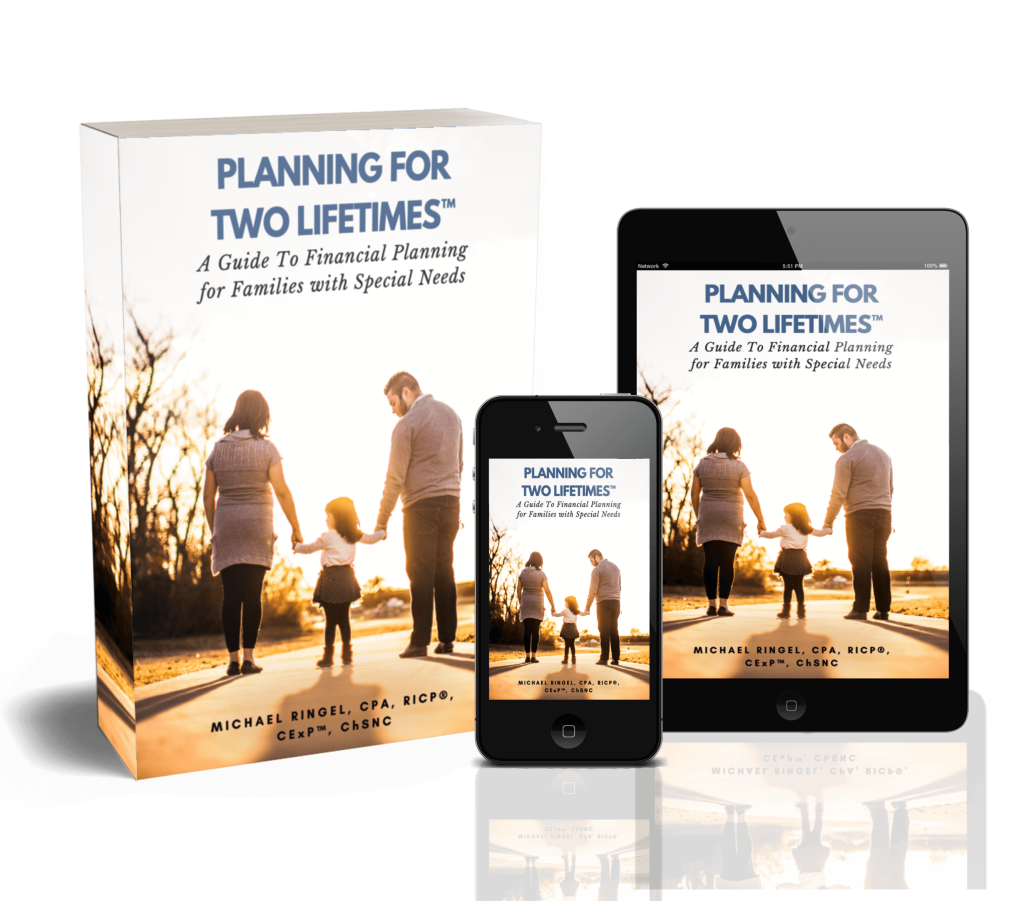
For families who want a clearer roadmap, resources like Planning for Two Lifetimes can help translate a very technical process into steps that feel manageable and grounded in real family decisions.
The goal is not just eligibility
Parents often start this process with one urgent concern: how do I keep my child from losing Medicaid? That is a fair question, but the deeper goal is bigger than eligibility. You are trying to create a life that is secure, supported, and sustainable long after you are no longer the person holding every detail together.
That kind of planning asks for courage because it means facing hard truths. It also creates relief. Once the pieces are organized properly, many families feel a shift from constant low-grade fear to something steadier. Not certainty, because no plan removes every unknown, but confidence that the foundation is stronger than it was before.
If this has been sitting on your to-do list for too long, that does not mean you failed. It means life has been heavy. Start now, with the next clear step, and let that be enough for today.